
A single gear-up landing. That is all it took. The pilot walked away without a scratch. His bank account did not. The repair bill came to $47,000. He had no hull coverage. Thought he would save a few hundred dollars a year.
Important Notice
This content is provided for informational purposes and does not constitute insurance or financial advice. Consult a licensed aviation insurance broker or financial advisor for coverage decisions specific to your situation.
Aviation Insurance Essentials in 60 Seconds
- FAA does not mandate insurance, but lenders and most airports do
- Annual premiums for single-engine aircraft: $1,200-$5,000
- Liability limits should match your personal net worth, not your budget
- In-motion vs not-in-motion hull coverage matters more than you think
- Unlisted pilots and geographic restrictions kill claims faster than anything
What This Guide Covers
The Real Cost of Flying Unprotected
Here is what most pilots get wrong. They think insurance is optional because FAA aviation insurance program guidelines confirm the agency does not require coverage for privately owned aircraft. Technically true. Practically irrelevant.
1,415 accidents
total aviation accidents recorded by NTSB in 2024, including 257 fatal incidents
The cases I have reviewed show a consistent pattern. Pilots fixate on the legal minimum. Zero. They forget about the financial maximum. Everything they own. According to 2024 NTSB aviation accident statistics, those 1,415 accidents generated lawsuits, settlements, and financial devastation that lasted years beyond the incident reports.
I remember working with a pilot who flew 200 hours annually for fifteen years without incident. Perfect safety record. Then a crosswind gust caught him during landing. Prop strike. Minor damage. His passenger claimed whiplash. That claim sat open for eighteen months.
Your lender requires coverage. Your FBO requires coverage. Your airport lease requires coverage. The FAA may not care. Everyone else with financial exposure does.
Coverage That Actually Matters for Your Flying
Stop reading the fine print for a moment. The insurance industry loves complexity. Dozens of endorsements. Pages of exclusions. Riders for everything. What I tell every aircraft owner: focus on three categories first. Everything else is secondary.
Liability Protection: Your Financial Firewall
This one keeps me up at night for my clients. Liability coverage pays when you damage property or injure people. It does not matter whose fault the accident was in your mind. It matters whose fault it is in court.

The AOPA liability insurance recommendations from February 2025 put it bluntly: buy the highest coverage limit you can afford. Their reasoning hits hard. If one passenger sues successfully for $500,000 from a $1 million policy, only $500,000 remains for anyone else who files a claim from the same incident.
In my experience advising pilots on coverage decisions, the most costly mistake I encounter is choosing liability limits based solely on premium cost rather than personal asset exposure. I have seen owners with significant net worth carry minimum limits, creating gaps that could devastate their finances in a serious incident.
What Liability Actually Covers
Bodily injury to passengers and third parties. Property damage on the ground or in the air. Legal defense costs (often separate from your limit). Settlements and court judgments up to your coverage maximum.
Hull Coverage: Protecting Your Aircraft Investment
Your aircraft is probably worth more than your car. Maybe more than your house depending on what you fly. Hull coverage protects that investment. Two critical distinctions most pilots miss.
First: agreed value versus actual cash value. Agreed value pays the full insured amount if your aircraft is totaled. Actual cash value deducts depreciation. That avionics upgrade you installed last year? Depreciated. Your recent paint job? Depreciated. Get agreed value. Period.
Second: in-motion versus not-in-motion. In-motion coverage applies during taxi, takeoff, flight, and landing. Not-in-motion covers everything else. Hangar storage. Ground handling. That time a mechanic drops a tool on your wing. Some policies split these. Check yours.
| Coverage Type | What It Protects | When It Applies | Typical Limits |
|---|---|---|---|
| Liability | Third parties, passengers, property | Any covered operation | $100K-$1M+ per occurrence |
| Hull In-Motion | Your aircraft | Taxi, takeoff, flight, landing | Aircraft agreed value |
| Hull Not-In-Motion | Your aircraft | Parked, hangared, ground handling | Aircraft agreed value |
| Medical Payments | Occupants regardless of fault | Any covered operation | $5K-$25K per person |
Medical and Passenger Protections
Medical payments coverage fills a gap liability leaves open. It pays for occupant injuries regardless of fault. Your passenger breaks an arm during turbulence. No lawsuit needed. Medical payments kick in immediately.
I worked with Marcus, a 52-year-old retired executive who had just purchased his first personal aircraft after fifteen years flying rentals. A 2018 Cirrus SR22. He initially requested the same coverage levels his rental aircraft carried. What he did not understand: renters insurance and owners insurance protect completely different exposures.
After we reviewed his net worth, his family’s flight frequency, and his cross-country plans, we increased his liability from $100,000 to $1 million and added proper hull coverage he had overlooked entirely. That conversation took an hour. It protected twenty years of his business success.
Policy Exclusions That Catch Owners Off Guard
Flying outside your approved geographic territory voids your claim. Operating with an unlisted pilot at the controls voids your claim. Using the aircraft for illegal purposes, even unknowingly, voids your claim. Read the exclusions page before you need it.
What Drives Your Premium Up or Down
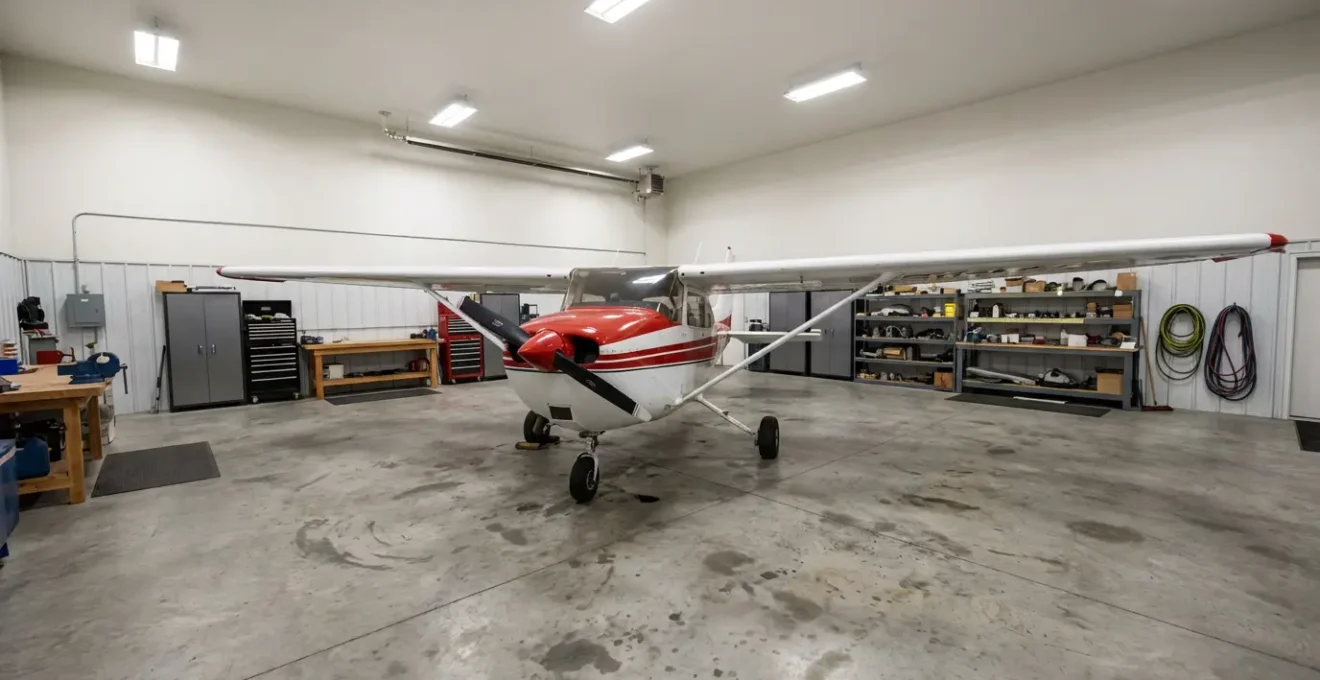
Most pilots think insurance pricing is a black box. Mysterious actuaries doing mysterious math. Wrong. The factors are clear. Several are within your control.
According to private aircraft insurance cost ranges published in 2025, annual premiums for small private aircraft run between $1,200 and $5,000. That spread is not random. Your position within it depends on decisions you make.
What I see on the ground from working with aircraft owners: pilots underestimate how much their training history affects quotes. Instrument ratings matter. Recurrent training matters. Flight review currency matters. If you want to explore insurance for aviation that rewards safety investments, start documenting everything you do to stay proficient.
Factors That Lower Your Premium
- Higher total flight hours (especially in type)
- Instrument rating and IFR currency
- Recent recurrent training or safety courses
- Hangared storage versus tiedown
- Clean claims history over multiple years
The most common mistake I encounter: pilots shopping on price alone without comparing coverage structures. A cheaper policy with lower liability limits or higher deductibles costs more when you need it. Before renewal, apply strategies for comparing insurance quotes across multiple carriers.
Broker Insight
I always recommend pilots start with liability limits that match their net worth, then work backwards to hull coverage. Soyons clairs: if a lawsuit exceeds your coverage, creditors come for your house, your savings, your retirement. That sequence matters.
Your Questions About Aviation Coverage
Your Coverage Questions Answered
Is aircraft insurance legally required?
The FAA does not mandate insurance for privately owned aircraft. You can legally fly with zero coverage. However, lenders require it before funding. FBOs require it before you park. Most airports require it in their lease agreements. The legal minimum is zero. The practical minimum is whatever everyone else demands.
How much liability coverage do I actually need?
Match your liability limits to your net worth plus future earnings at risk. A $100,000 policy protects nothing if you have $500,000 in assets. Most owners I work with carry at least $1 million. If you fly passengers regularly, especially family members, go higher.
What causes insurance claims to get denied?
Three things kill claims fastest. Flying outside your approved geographic area. Operating with a pilot not listed on your policy. Failing to meet certification requirements spelled out in your policy. The fine print matters. Read it before you need it.
Does my auto or umbrella policy cover my aircraft?
No. Aircraft are explicitly excluded from standard auto, homeowners, and umbrella policies. You need a dedicated aviation policy. There are no shortcuts here.
Will my premium increase after a claim?
Possibly. It depends on the nature of the claim and your carrier. Minor ground incidents often have less impact than in-flight accidents. Your claims history follows you across carriers. A pattern of claims affects pricing more than a single incident.
The more you understand about policy structure, the better decisions you make. For a systematic approach to evaluating your overall exposure, review tools for identifying and mitigating risk before your next policy renewal.
Your Next Step
Before Your Next Flight
- Pull your current policy and read the exclusions page completely
- Compare your liability limits against your actual net worth
- Verify every pilot who might fly your aircraft is listed
- Confirm your geographic coverage matches your actual flying areas
- Schedule a conversation with your broker before renewal, not after
Insurance is not about what might happen. It is about what you can afford to lose if it does.
Coverage Considerations and Limitations
- This guide does not replace personalized advice from a licensed aviation insurance broker familiar with your specific aircraft and flying profile
- Premium ranges and coverage limits mentioned are general market indicators that vary significantly by region, aircraft type, and pilot experience
- Policy terms, exclusions, and regulatory requirements change regularly and must be verified with current documentation
Consult: A licensed aviation insurance broker or AOPA insurance services for coverage decisions specific to your situation.